

An Ultimate Guide To Aromatherapy And Essential Oils In 2022
Holistic Wellness An Ultimate Guide To Aromatherapy And Essential Oils Danu’s Ultimate Guide To Learn The Basics Of Aromatherapy And Essential Oils Aromatherapy is perhaps one of the most ancient forms of healing in the world. It involves using the natural essential oils extracted from plants to treat various health conditions. Essential oils are very
- Read time
- 11 min read
- Updated
- Updated
Holistic Wellness
An Ultimate Guide To Aromatherapy And Essential Oils
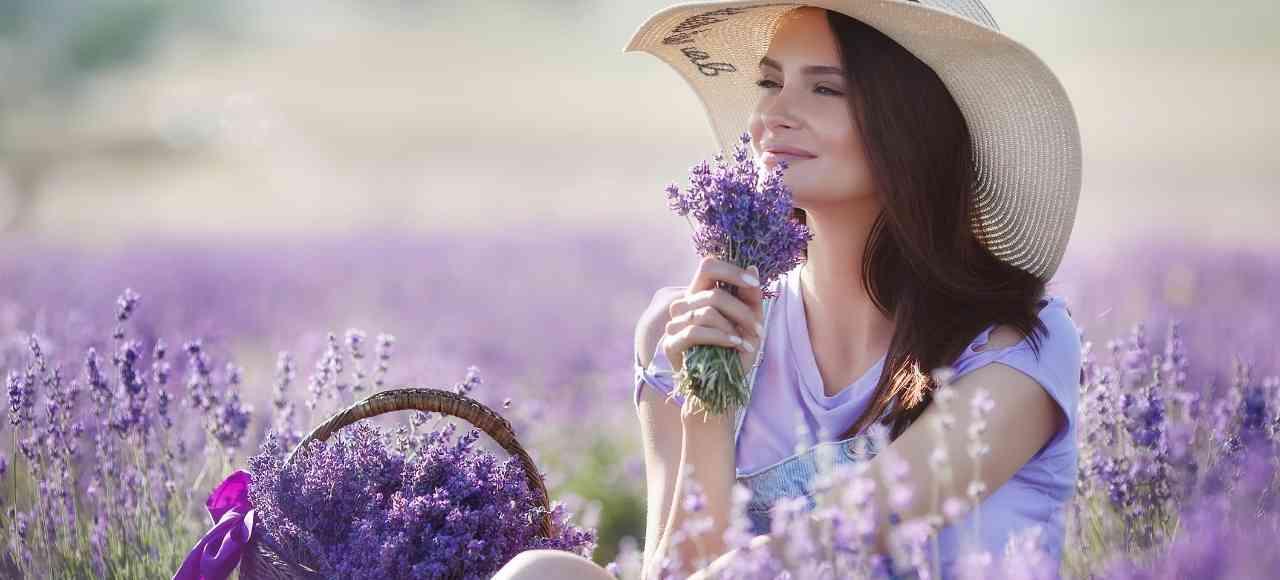
Danu’s Ultimate Guide To Learn The Basics Of Aromatherapy And Essential Oils
Aromatherapy is perhaps one of the most ancient forms of healing in the world. It involves using the natural essential oils extracted from plants to treat various health conditions. Essential oils are very concentrated and contain many active ingredients that provide therapeutic benefits. In this ultimate guide to aromatherapy, we will examine all aspects of this ancient practice. We will start by defining essential oils and discussing their basic concepts. Then, we will explore the history of aromatherapy around the world and throughout the ages. We will also look at aromatherapy modalities, how essential oils are absorbed into the body, and discuss their therapeutic benefits.
With certain essential oils, there are specific safety precautions that you should take, as each oil and its effects are different. You should also consider a person’s individual health conditions like asthma and other respiratory diseases. We will examine safety considerations for aromatherapy and essential oils in adults, children, and pets and also look at potential drug interactions. Join us below as we discuss the most popular essentials, such as lavender, rosemary, and lemongrass. Finally, we’ll look at Danu’s top essential oils and why we recommend them. Begin your journey into essential oil and aromatherapy knowledge!
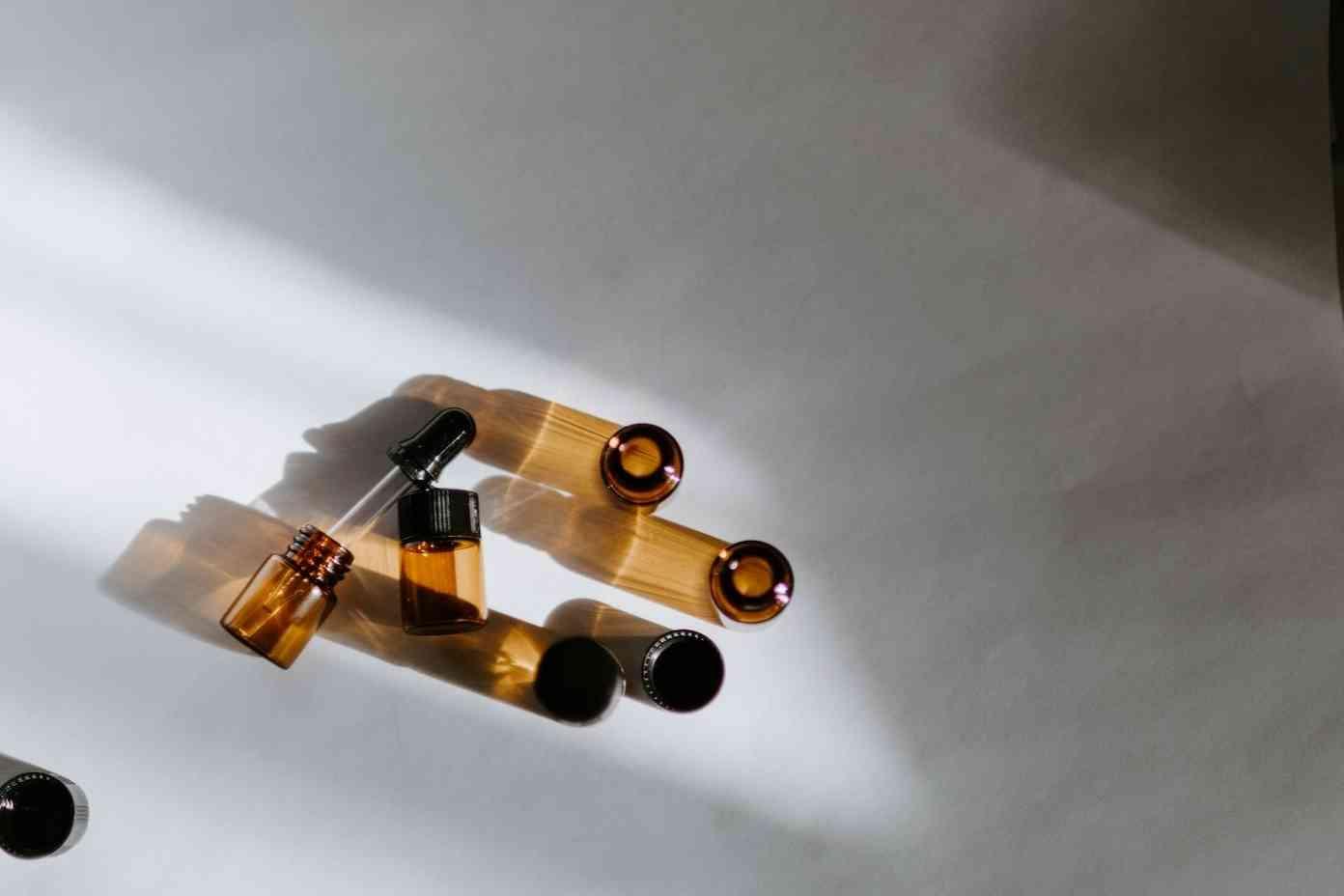
You may have seen essential oils before around town, but have been wondering what they consist of.
1. Defining Essential Oils: What Are They?
In order to understand aromatherapy, it is first important to understand what essential oils are. Essential oils are natural aromatic chemical compounds that are found in seeds, bark, flowers, and other parts of plants. They are highly concentrated and volatile, meaning they evaporate quickly. In addition, essential oils contain active ingredients that can provide therapeutic benefits when used correctly. For example, lavender oil is commonly known for its relaxing effects on the mind and body.
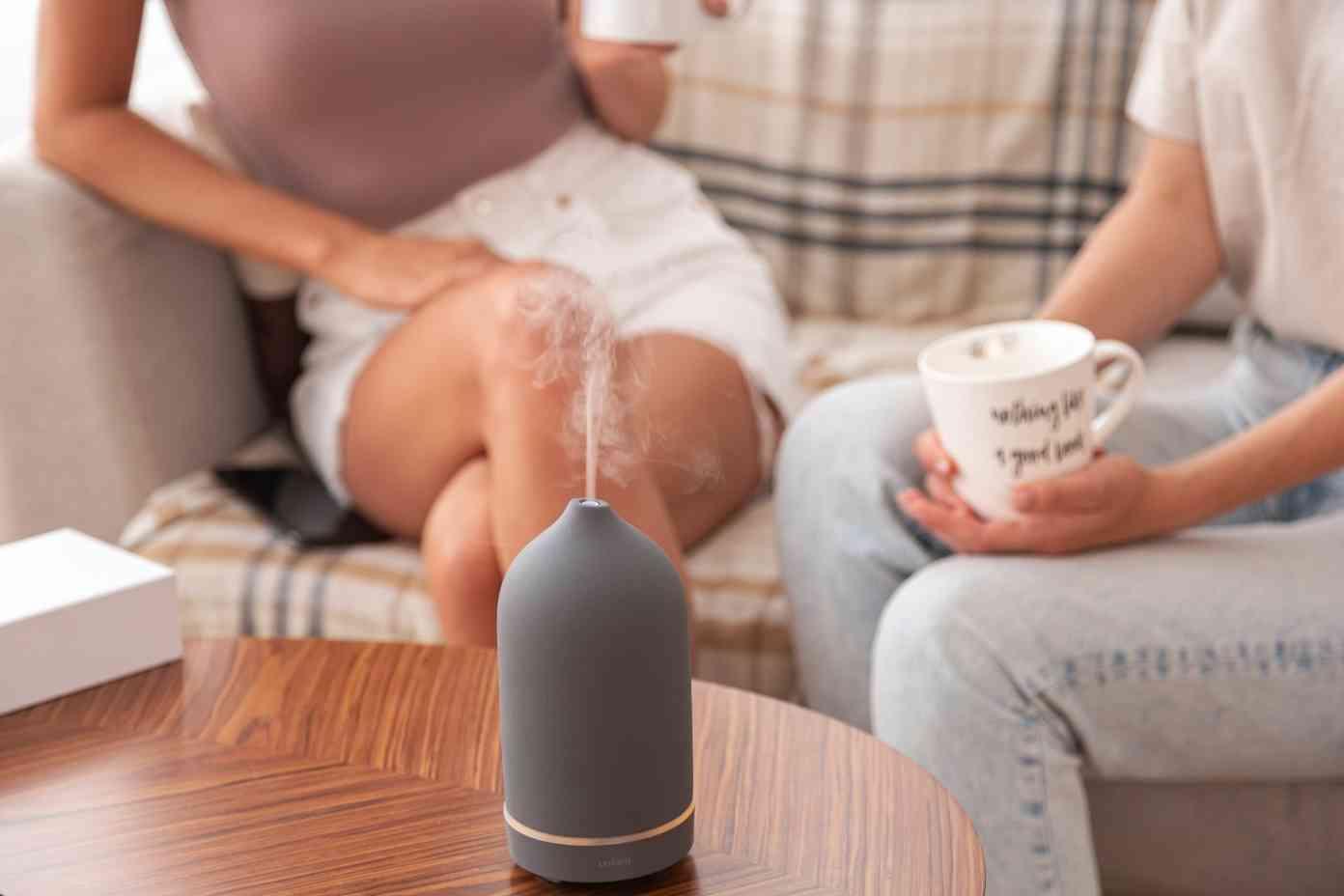
Whether you’ve realized it or not, you most likely have already experienced some form of aromatherapy in your life!
2. Basic Concepts of Aromatherapy
Aromatherapy is a long-standing form of holistic healing that uses the natural essential oils extracted from plants to treat various health conditions. It has been used for centuries all over the world and is one of the oldest forms of healing. Aromatherapy is not just limited to the use of essential oils, though. It also includes using other plant-based products like herbs, flowers, and resins.
Note: We advise that you consult with a certified aromatherapist before using any essential oils and essential oil blends.
Aromatherapy is not only used for treating physical conditions but can also be used for emotional and psychological issues. These essential oils can be used individually or in combination with other oils to create custom blends that address specific needs.
3. The History Of Aromatherapy: How Did It All Begin?
Aromatherapy has been existed for centuries and has been used all over the world. The exact origins of aromatherapy are unknown, but it is thought to have originated in ancient Egypt or China. In these cultures, aromatherapy was used to treat a variety of health conditions. Aromatherapy is still relatively new to North America and has not been widely accepted or used until recently. However, due to its ever-growing popularity, it is becoming more mainstream. Let’s take a look at several critical time periods in which essential oils progressed.
4000 B.C.Natural oils were used when embalming the deceased in ancient Egypt. It is said there was a tomb opened in the early 1900s where trace amounts of nutmeg, cedarwood, myrrh, cinnamon, and clove oils were found. Evidence indicates that early Egyptians used specialized cedarwood stills to extract that specific oil. However, their other oils were not created using this still.Some of the earliest incenses and perfumes were also created by ancient Egyptians. In addition, they made countless cosmetics and other body products, including ointments and healing salves made from plant extracts and natural resins.
3000 B.C.Clay perfume bowls and an alembic still also made of clay were found in what is now modern Cyprus. When carbon-dated, these clay bowls showed they were made roughly 5,000 years ago. Researchers discovered the still had been used to produce lavender, rosemary, and a variety of other botanical oils.
2697 B.C.Aromatic herbs, oils, and plants are written in The Yellow Emperor’s Classic of Internal Medicine. The book is referred to as a landmark in the history of Chinese civilization.
Diffusers are one of the most common ways to experience aromatherapy.
2000 B.C.An alembic still bearing a striking resemblance to the one found in Cypress was discovered in Afghanistan.
700 B.C.The city of Athens, Greece, had become a renowned trading hub for spices, herbs, unguents, and perfumes. Because of this, the Athenians developed the word arόmata, which referred to the above-mentioned plant-based trade items. A well-known artisan named Megallus created a perfume aptly named Megaleion. This perfume was blended using cassia, burnt resin, cinnamon, and myrrh. While it was called a perfume, Megaleion was also frequently used to heal minor wounds and reduce inflammation.
100 C.E.The Roman Empire imported spices and resins by the thousands of tons. Scented bathwater was regularly used with oils, and with solid and powdered perfumes. De Materia Medica, which means “on medical material,” was written by Pedanius Dioscorides. In his book, he detailed both herbal and aromatic treatments, and many of his recipes are still used in modern society!
1000 C.E.A well-known Persian named Avicenna, who was a physician and mathematician among numerous other prestigious professions, developed an advanced essential oil still. The advancement of this still was so incredible, his new distillation method remained virtually unchanged for hundreds of years.
1200-1300 C.E.As was decided by the events of the Crusades, Italy became the predominant leader of the Eastern spice trade. To reduce the spread of the bubonic plague, trading guilds shipped massive amounts of spices across the European continent.
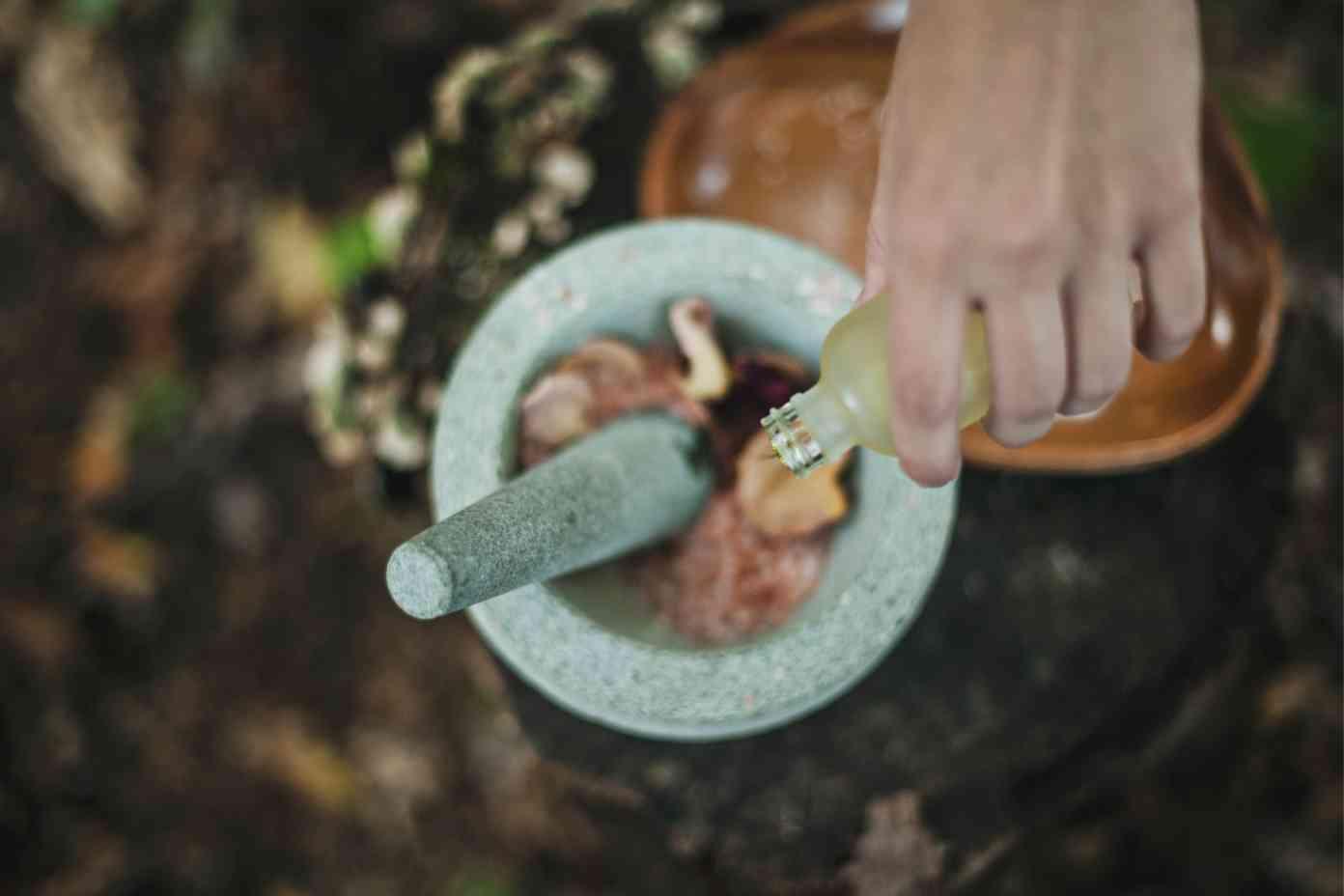
Aromatherapy is one of the most ancient forms of promoting natural wellness.
1500 C.E.Aromatics were commonly used in China, including incense to be used in temples and private residences. In addition, clothing, ink, paper, and bathwater were all regularly scented. The Chinese medicine book of this time period, Pen Ts’ao, describes uses for 20 essential oils and roughly 2000 different herbs.
1910Following an explosion in his laboratory, a French chemist named Rene-Maurice Gattefossé developed chemical burns. A bacterial infection began to grow due to his burns. Fortunately, Rene-Maurice was able to stop the spread of the condition with a rinse of lavender essence. The word “aromatherapy” can be attributed to this chemist, as he used the term in his book, Aromathérapie, published in 1937. This led the way to the world of modern aromatherapy.
1939-1945Doctor Jean Valnet used essential oils for common physical injuries and emotional health issues in soldiers during the Second World War.
1970 – Present DayAs the modern era of chemistry is now in full swing, researchers begin looking at how each essential oil works within the body. This new research has allowed an explosion of books and other information on the subject of aromatherapy. In addition, the advent of the internet has further allowed the wealth of knowledge, which spans thousands of years, to be accessible by virtually anyone looking to learn about natural wellness.
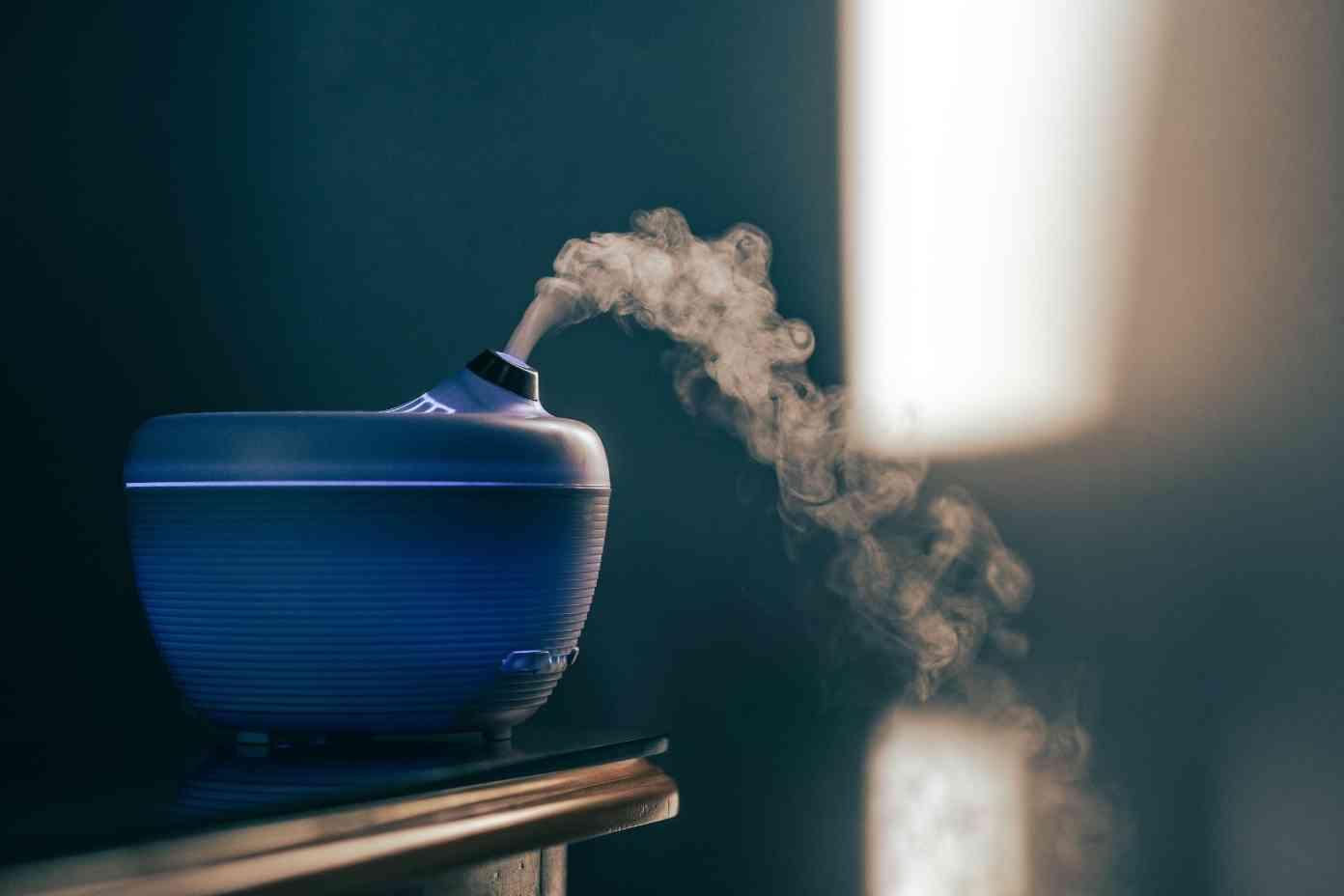
Diffusers are one of the most common ways to experience aromatherapy.
4. The Modalities Of Essential Oil: How They Are Absorbed Into Our Bodies
There are three ways essential oils can be absorbed into our bodies: through the skin, nose, and mouth.
The Skin: When applied topically, essential oils benefit your skin directly and are absorbed directly into the bloodstream. The areas of the body where essential oil application is most beneficial include pulse points (such as at the wrists or neck) and targeted massage therapy. Because every person’s needs are different, many wonderful topical aromatherapy products – creams, lotions, salves, body butters, and oils (via roller bottles) – are on the market today.
Applying aromatherapy is particularly relaxing because it allows us to take some time for ourselves and can be a lovely way to connect with ourselves or a partner. Many essential oils applied topically also have a pleasant lingering scent on the body that may have effects that last longer than aromatherapy inhalers or diffusers.
The Nose (Inhalation): Aromatic molecules travel up the nasal passage and stimulate olfactory nerve endings in our brains. These nerves then communicate with various parts of the brain, including the limbic system, which is responsible for emotions and memory. This is why certain essential oils can be so beneficial for emotional health!
Your central nervous system is stimulated indirectly by the inhaled essential oils affecting your olfactory system. The essential oils you inhale directly contact your sinuses, nasal passages, trachea, and eventually your lungs. As the essential oils contact these bodily structures, they may generate numerous benefits.
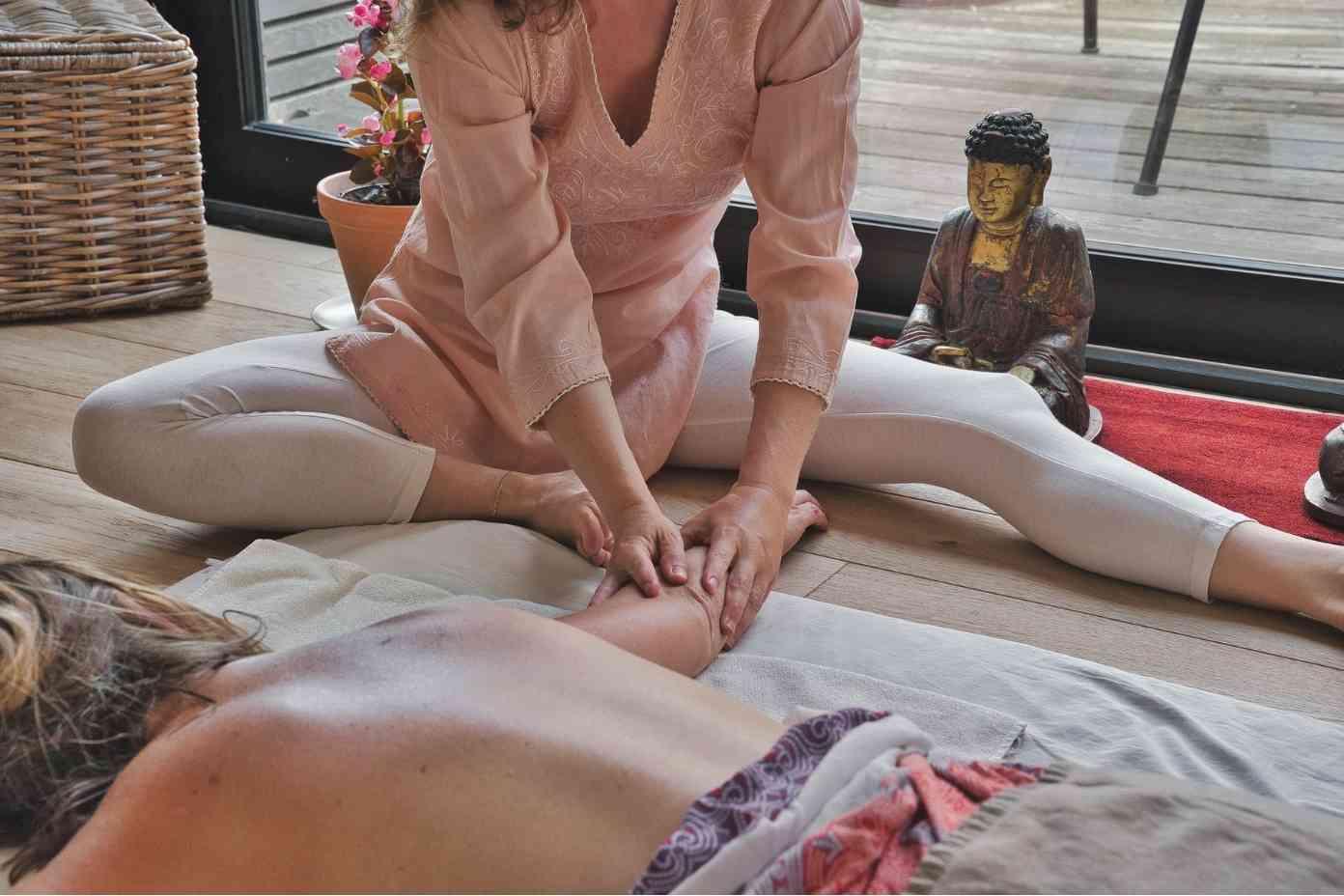
Essential oils are commonly used during massages and stretching to promote relaxation and other therapeutic benefits.
These include things such as:
- The inhalation of certain essential oils can alleviate symptoms of respiratory conditions like sore throats, colds, congested sinuses, environment-related allergies, and the flu.
- Through the lungs, essential oils can access your body’s bloodstream. This is one of the fastest ways for essential oils to benefit your body’s internal systems.
- Because your respiratory system is one of the first places to be affected by infections, inhaling essential oils may be responsible for preventing you from becoming infected.
Methods of inhalation include:
- Using an active or passive diffuser. An active diffuser is most commonly an electronic diffuser that you can buy pretty much anywhere. Active diffusers use pumps or ultrasonic technology to force oil particles into the air. These diffusers can include: glass nebulizers, ultrasonic, and vaporizer/humidifiers. Passive diffusers work by evaporating the volatile essential oils into the surrounding air.
- Spraying essential oil blends in the air. Aromatherapy sprays are typically water-based blends commonly used to cleanse or deodorize the air in a room, think bathroom or linen spray.
- Simple inhalation – typically used with a plastic or aluminum tube with essential oils put onto a cotton wick inside. This is one of the most effective methods because it quickly absorbs into the bloodstream. It has a direct effect on an infection and congestion within the respiratory system. It also has a direct effect on the central nervous system.
- Baths are a great way to get the benefit of both skin absorption as well as inhalation (from the heat of the water). Use caution with certain essential oils, as sensitive skin areas are exposed in a bath, and skin irritation may occur.
The Mouth (Ingestion): Taking essential oils internally is the least common method and is only advised under a Clinical Aromatherapist or a medical doctor. When we ingest essential oils, they are absorbed into the bloodstream through the mucous membranes in our mouths and our digestive systems. This is a unique way to enjoy the therapeutic benefits, but it’s important to remember that not all oils are safe to ingest.Only trusted brands that have been specifically labeled as “food grade” should be consumed. It’s also important to note that you should check with your doctor before ingesting essential oils if you’re taking any medications, as there could be potential interactions.
5. Therapeutic Benefits Of Essential Oils
There are numerous therapeutic benefits to be gained from using essential oils. Here are just a few:
- Essential oils can help improve emotional health by balancing negative emotions and promoting positive ones.
- They can also effectively treat physical injuries, such as burns, scrapes, and bruises.
- Essential oils possess antibacterial, antiviral, and anti-fungal properties that make them ideal for use in natural wellness.
- Many essential oils have calming effects that can help reduce stress levels.

Drug interactions with essential oils shouldn’t be taken lightly, so it’s important to consult a professional before using either.
6. Potential Drug Interactions With Aromatherapy And Essential Oils
Essential oil safety is one of our primary concerns when creating essential oil blends. It’s imperative to consider potential drug interactions when using essential oils, so we advise that you consult with a certified aromatherapist before using any essential oils and essential oil blends.
In general, there are three primary types of interactions that can occur:A substance can affect the detoxification rate of a drug. If this happens, there are two possibilities: The amount of the drug in the blood may be reduced more quickly than expected if the rate of detoxification is increased. For example, suppose a person takes a particular drug every eight hours. In that case, certain essential oils may increase the rate of detoxification, and that person may start noticing various symptoms again in eight hours or less.The amount of drugs in the blood may be increased if the rate of detoxification decreases. For example, if a person takes 5 mg of a particular medicine or drug every eight hours or so, the medicine is not detoxified to the level expected when they take a subsequent dose eight hours later. At this point, they have too much of the given medicine in their body and could begin to experience the adverse effects of a potential overdose.A given compound may support a physiological action that is opposite to the drug (this is also called antagonism). The essential oil(s) may slow down a process while a drug is speeding up the same process, which cancels out the drug’s action, effectively providing a reduced dose of the medicine. This may result in a return of symptoms that the original drug was impacting in the beginning.Some essential oils may support a physiological reaction that is similar or identical to the drugs (otherwise called potentiation). If the essential oil supports the same effect of a physiological process as the drug, then a more significant effect is applied to that process. This acts like a drug overdose. An excellent resource on essential oil safety is Robert Tisserand’s book – Essential Oil Safety, 2nd edition. We strongly recommend this resource for anyone considering creating their own essential oil blends at home.

Subscribe NowSubscribe NowSubscribe NowSubscribe Now